Introducing

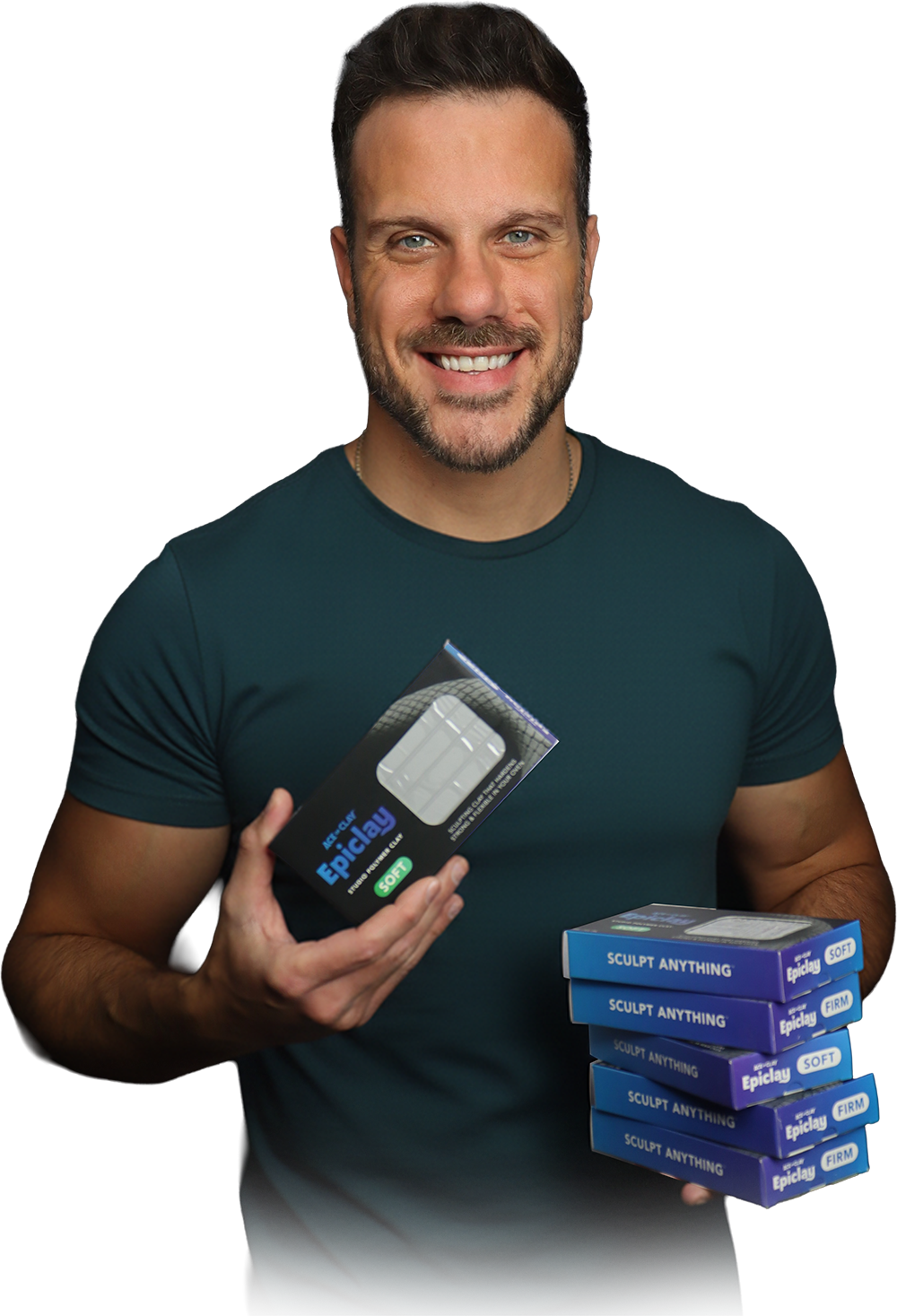
Four years ago I set out to create the best polymer clay I’ve ever used and the result is Epiclay™. I developed it from the ground up specifically for sculptors. It’s smooth, easy to condition, and seriously enjoyable to work with straight out of the box. It has low crumbling, holds fine detail beautifully, and doesn’t sacrifice workability for flexibility.
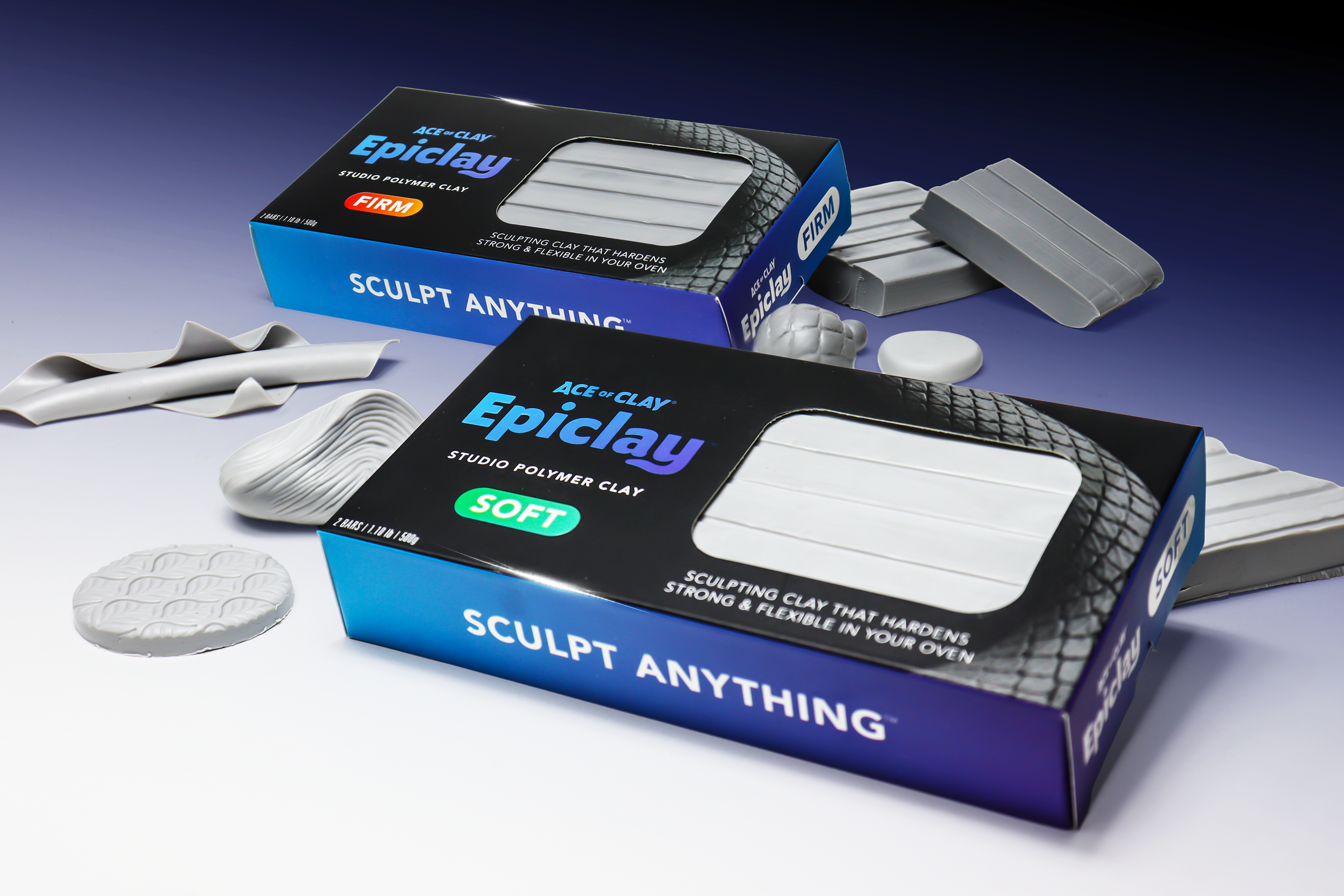
Epiclay™ is available in two firmnesses and has the solid, responsive feel of a traditional non-flexible polymer clay while you work. It holds its shape and stays smooth and pliable until you’re ready to bake. Once cured, it becomes strong, durable, and extremely flexible.
This is more than a new product to me. It’s the biggest thing I’ve ever made, and after four years of developing, testing, and refining it, I’m so excited that it’s finally yours.
Sculpt Anything™ with Epiclay™.
-Anthony (Ace of Clay)Get Your First Box of Epiclay™
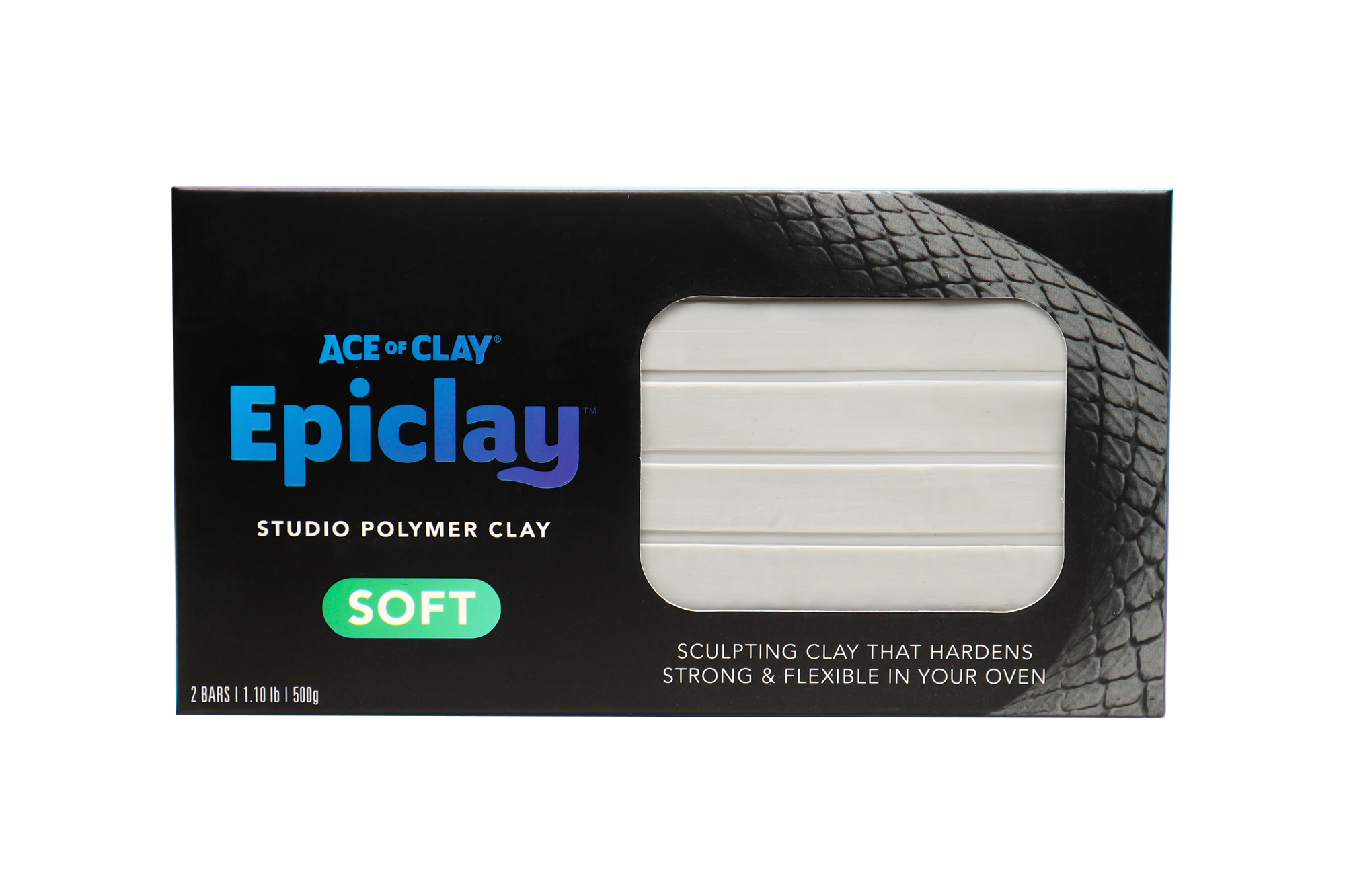
Ace of Clay® Epiclay™ Soft is a professional-grade, oven-bake polymer clay developed specifically for sculpting. Designed for character sculptures, figurines, miniatures, ornaments, and detailed polymer clay projects, Epiclay™ offers smooth conditioning, excellent detail retention, and low crumbling. It stays workable until baked and cures to a flexible, durable finish that accepts acrylic paint, pigments, and other common sculpture finishes.
Epiclay™ Soft is the original Epiclay™ formulation, offering a smooth, buttery sculpting experience with excellent pliability without becoming overly mushy or difficult to control. Easy to condition straight from the package, it allows sculptors to get to work quickly while maintaining the control needed for intricate textures, forms and fine details. Its light gray color provides a clean, neutral sculpting surface that makes shapes, textures, and details easy to see as you work.
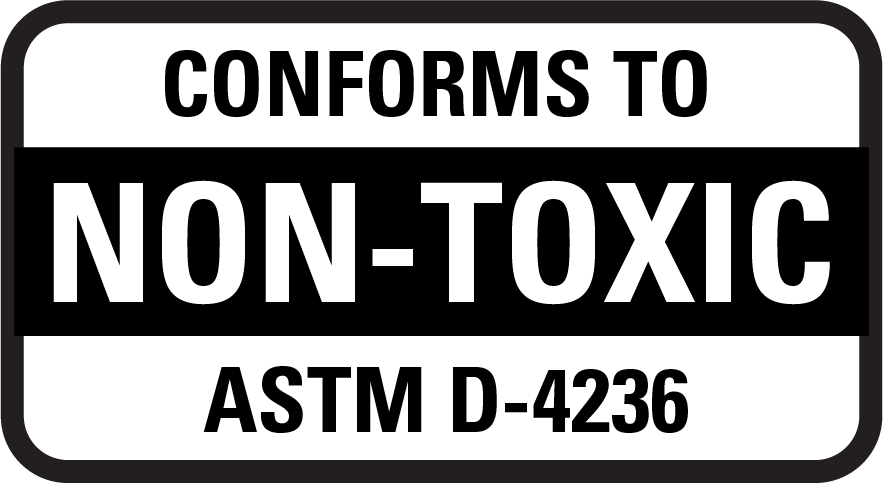
Each one-pound box contains two individually wrapped blocks, allowing you to open only what you need while keeping the remaining clay sealed. Epiclay™ Soft is 100% vegan, non-toxic, and conforms to ASTM D-4236.
Learn more about Epiclay™ here.
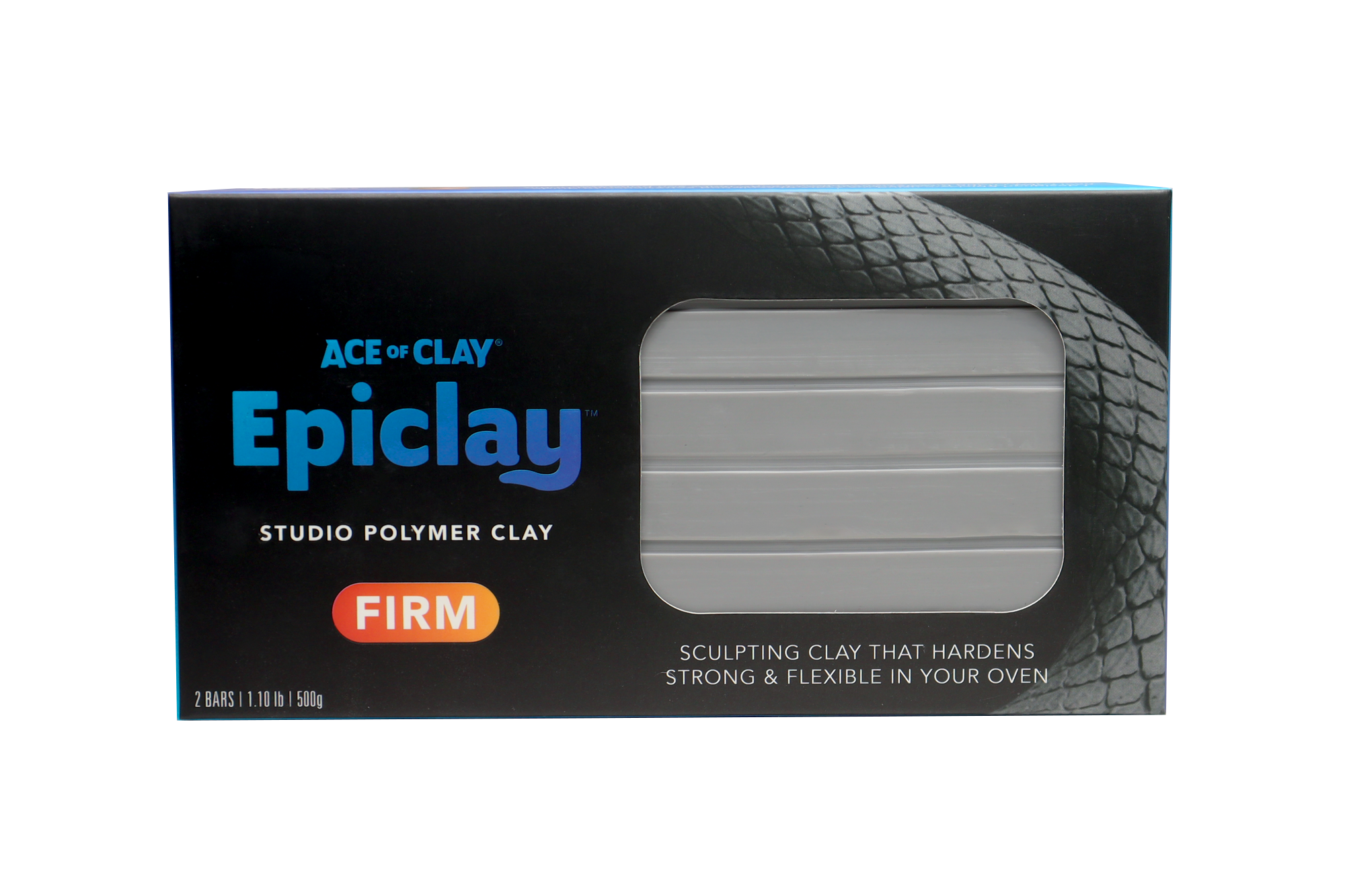
Ace of Clay® Epiclay™ Firm is a professional-grade, oven-bake polymer clay developed specifically for sculpting. Designed for character sculptures, figurines, miniatures, ornaments, and detailed polymer clay projects, Epiclay™ offers smooth conditioning, excellent detail retention, and low crumbling. It stays workable until baked and cures to a flexible, durable finish that accepts acrylic paint, pigments, and other common sculpture finishes.
Epiclay™ Firm offers a smooth, refined sculpting experience with added resistance for artists who prefer a firmer working clay. Easy to condition without sacrificing firmness, it allows for crisp edges, intricate textures, and fine details while helping resist fingerprints and accidental deformation. Its darker gray color provides a neutral sculpting surface with excellent contrast, making shapes, textures, and details easy to see as you work.
Each one-pound box contains two individually wrapped blocks, allowing you to open only what you need while keeping the remaining clay sealed. Epiclay™ Firm is 100% vegan, non-toxic, and conforms to ASTM D-4236.
Learn more about Epiclay™ here.
Made to Feel Right
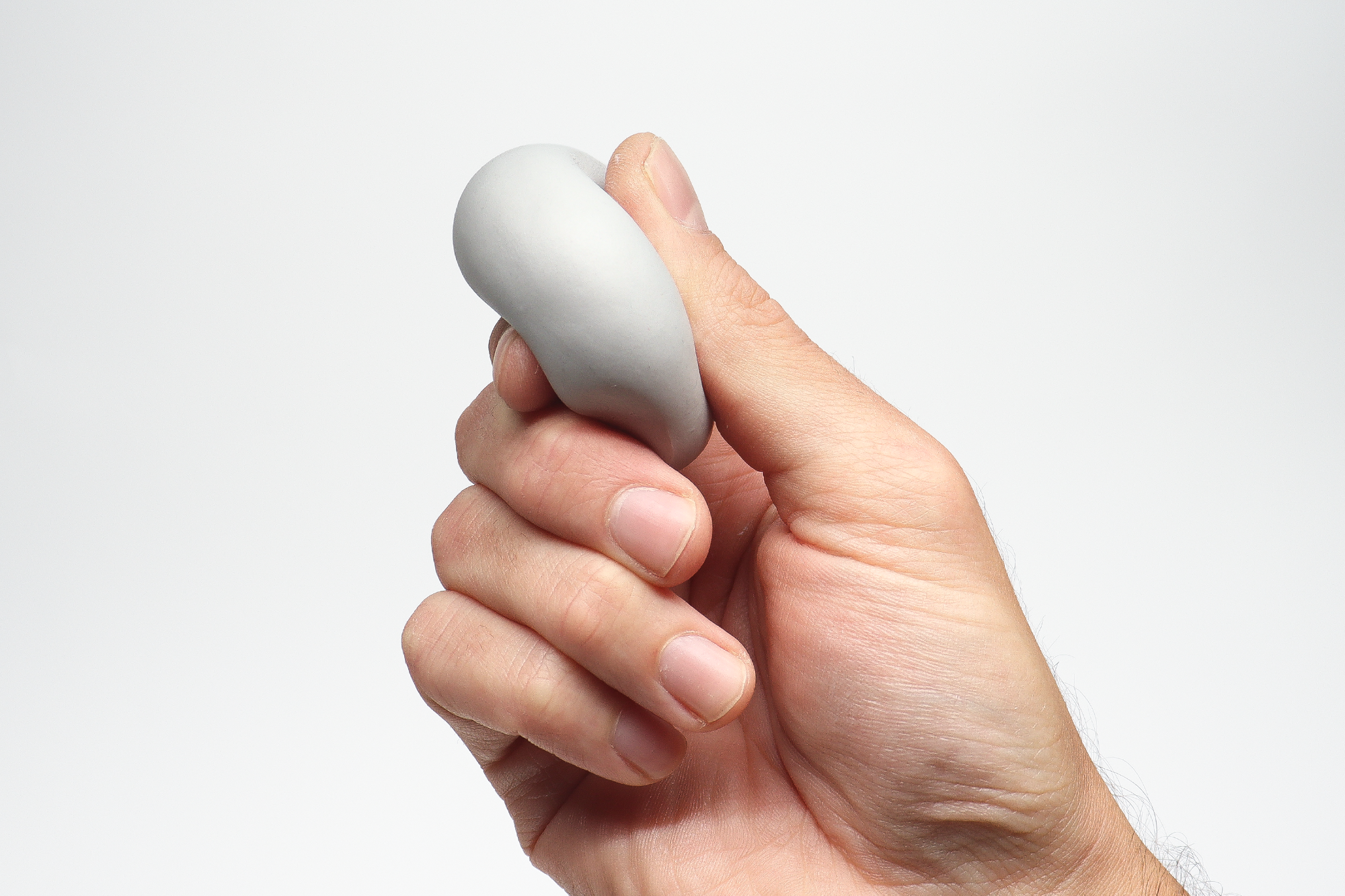
Exceptional workability and hand-feel, with the ideal balance of tackiness and a smooth, buttery texture.
Two Firmnesses
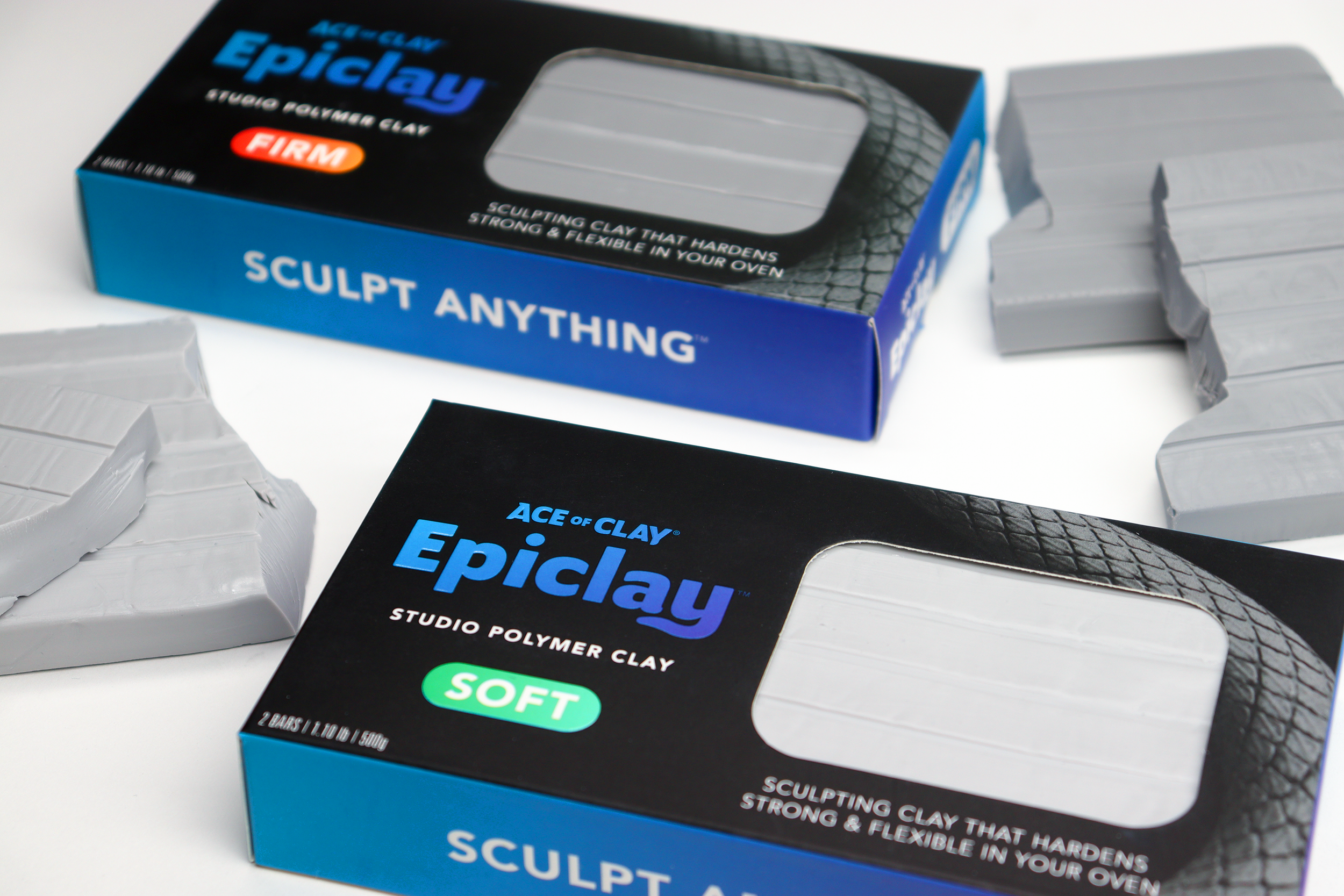
Available in Soft and Firm. Choose Soft for a more pliable feel or Firm if you like some added resistance.
Low Crumbling
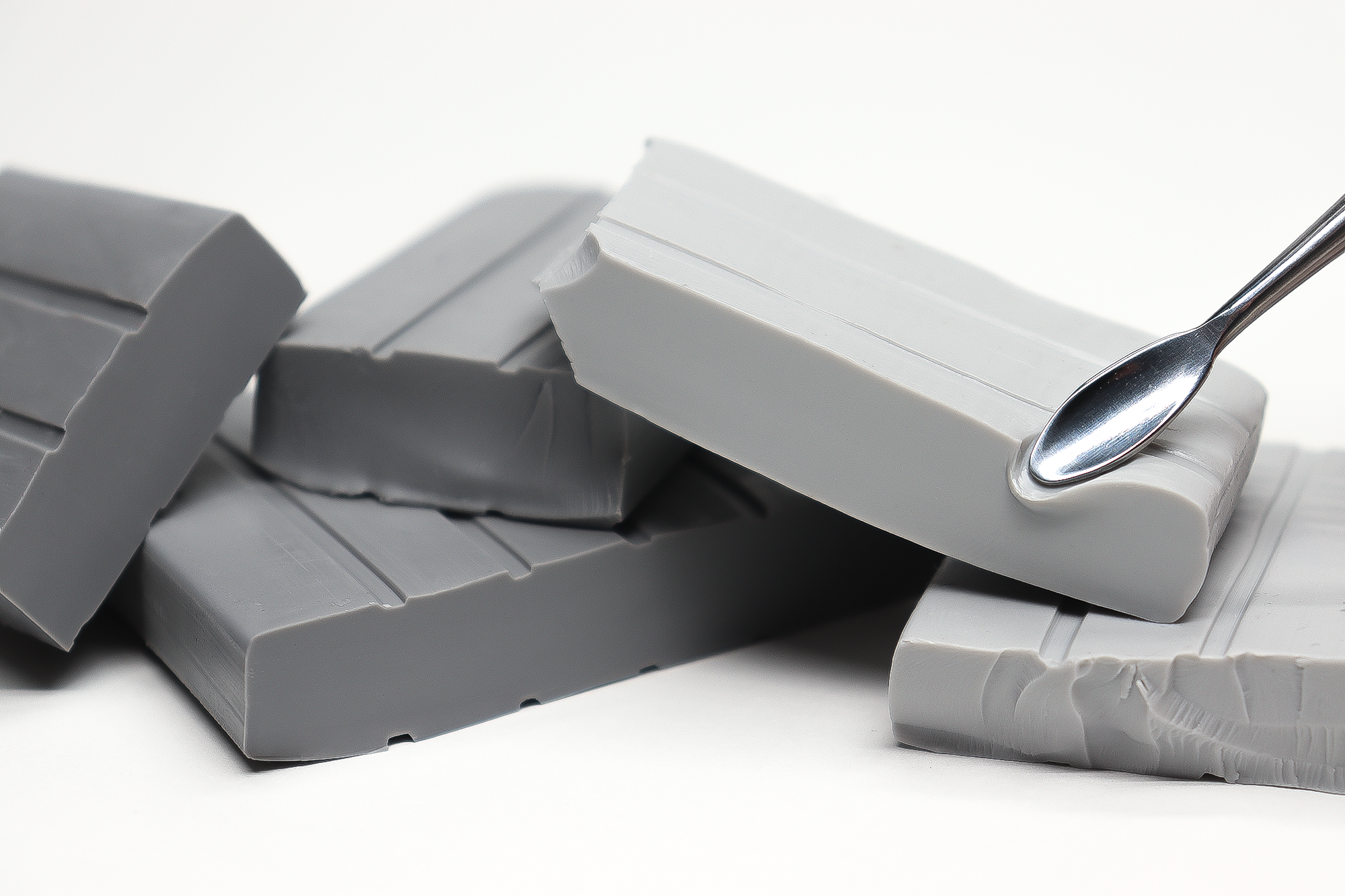
Epiclay™ is easy to knead and condition right out of the package with hardly any crumbling.
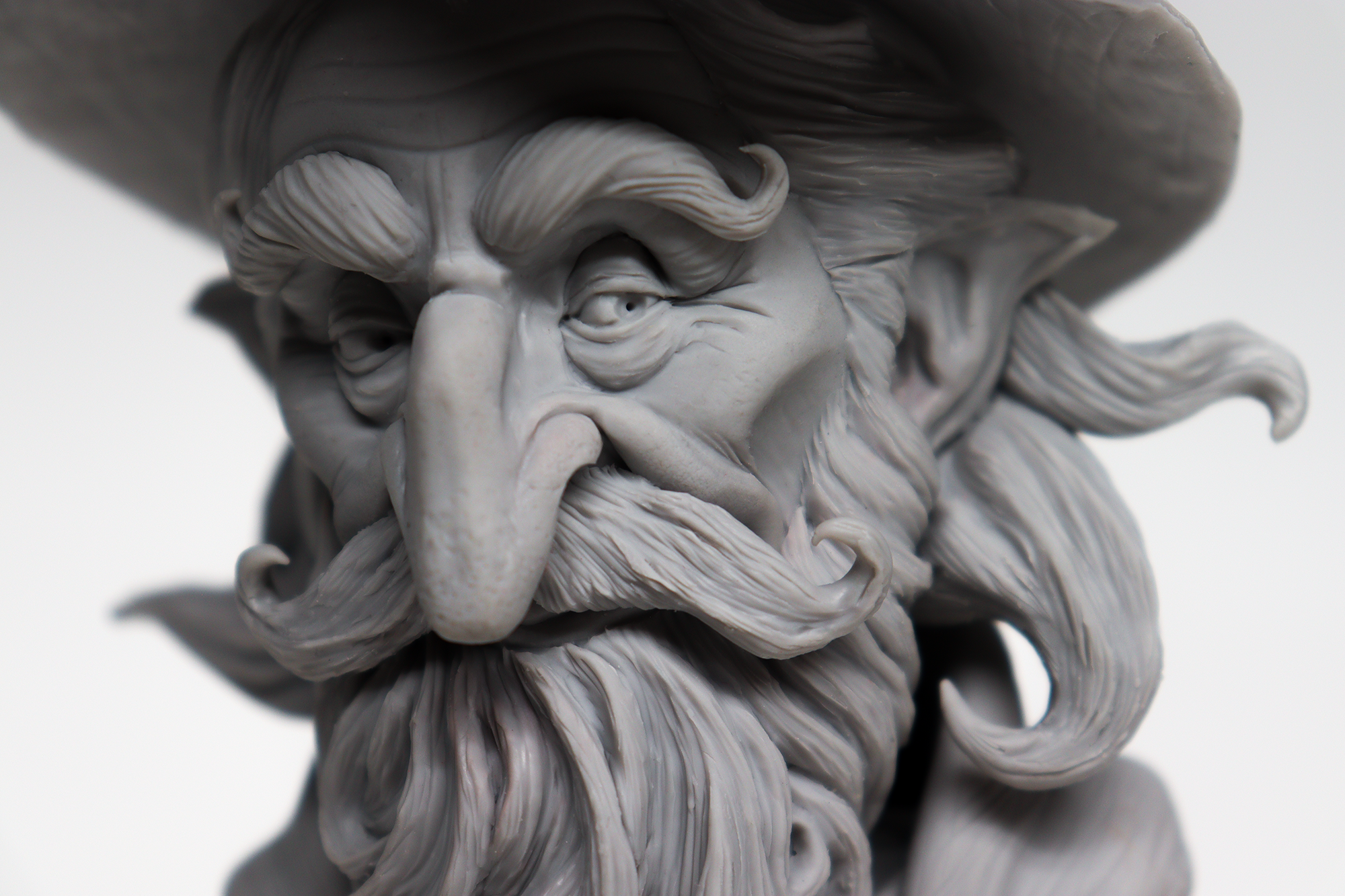
Designed for Detail
Holds crisp lines, textures, and fine details while staying smooth and easy to sculpt.
More Uncured Stability*
Leave your sculpture unbaked without worrying about cracking or breakage.
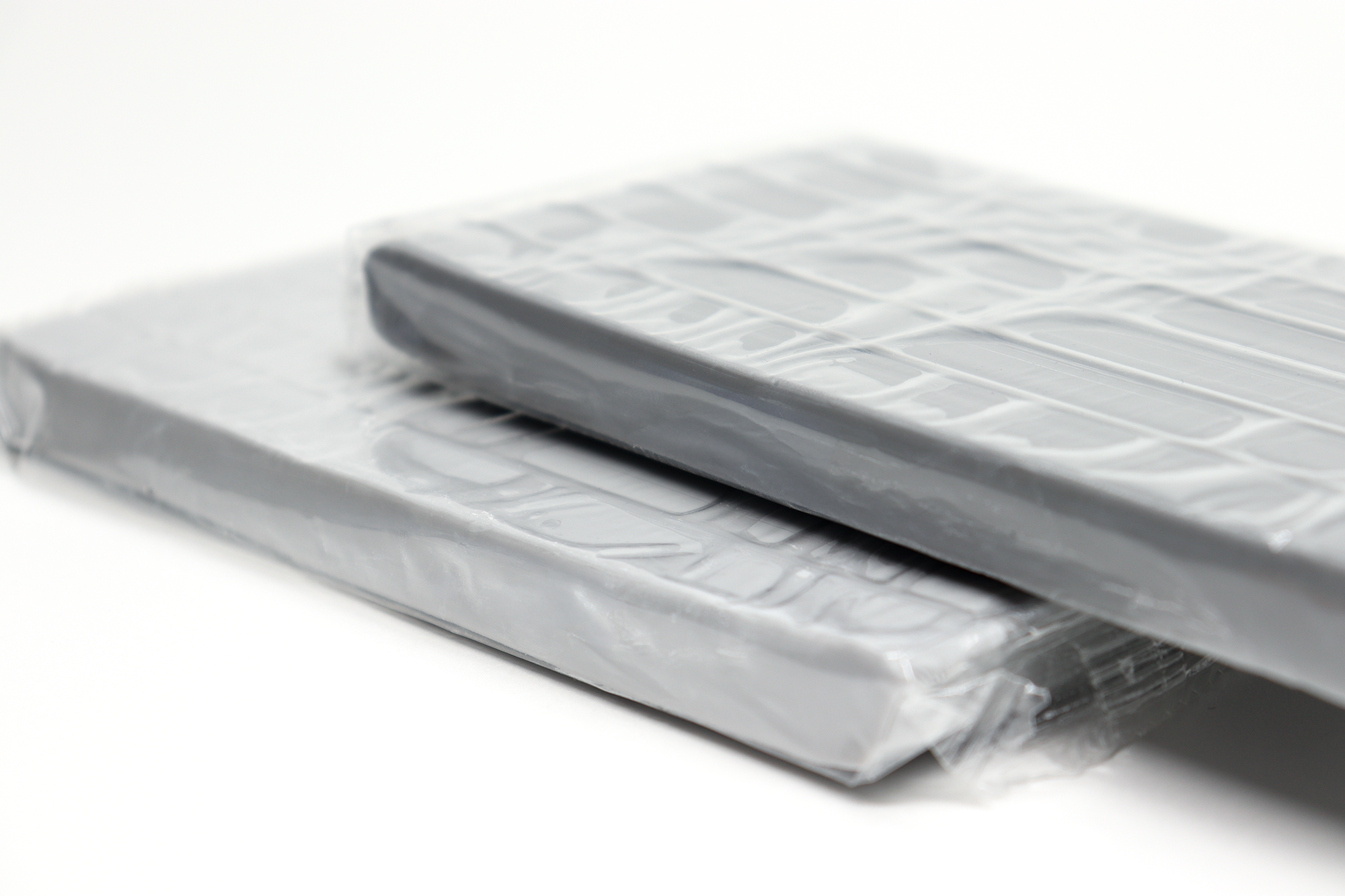
Open Only What You Need
Each 1 lb box of Epiclay™ is divided into two individually sealed packages, so you can open only what you need and keep the rest sealed and fresh for your next project.
Created by a Sculptor
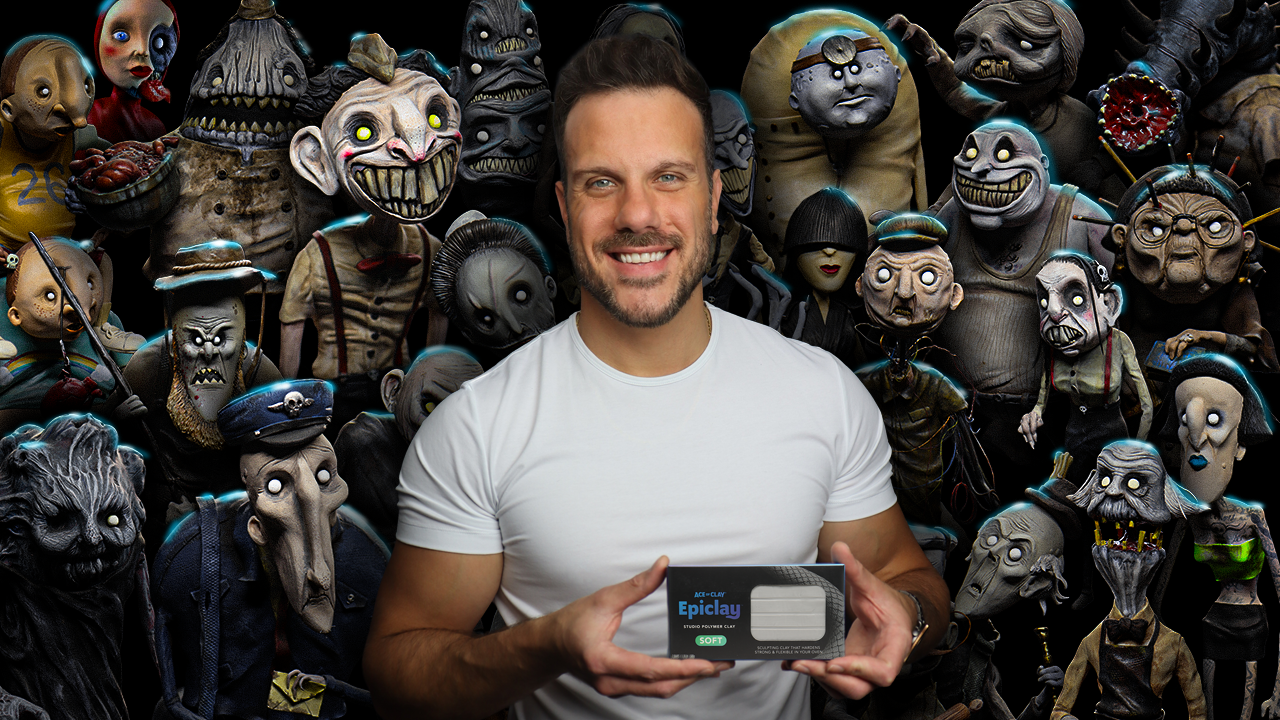
*Selected sculptures by Ace of Clay. Some works shown were created before Epiclay™ was developed.
Created by a sculptor, for sculptors, with every detail shaped by over two decades of hands-on experience.

100% Vegan & Cruelty Free
No animal byproducts. No testing on animals, ever.
Oven Bake
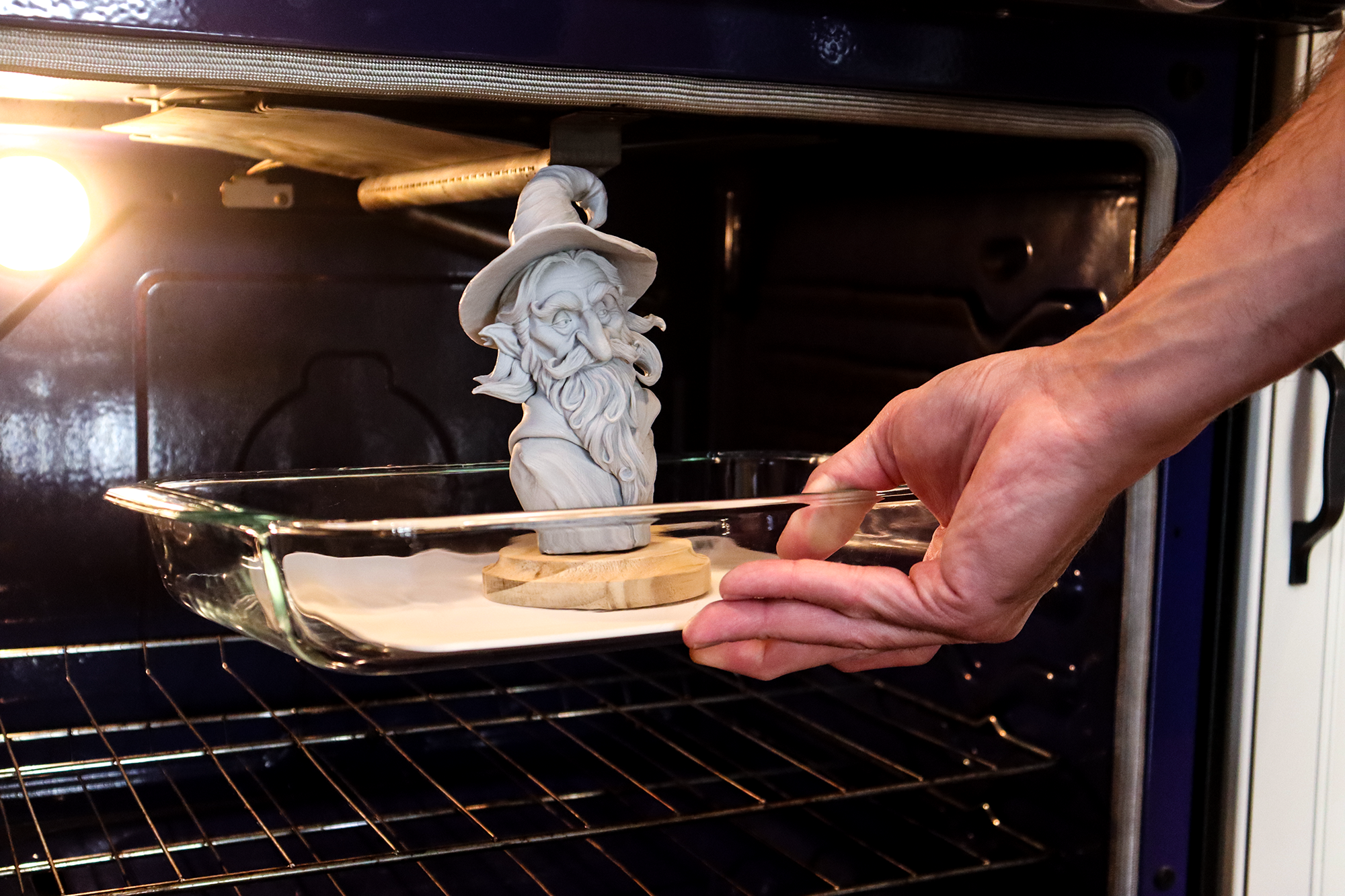
Cure Epiclay™ to its firm, flexible form in your own kitchen oven.
Bakes Flexible
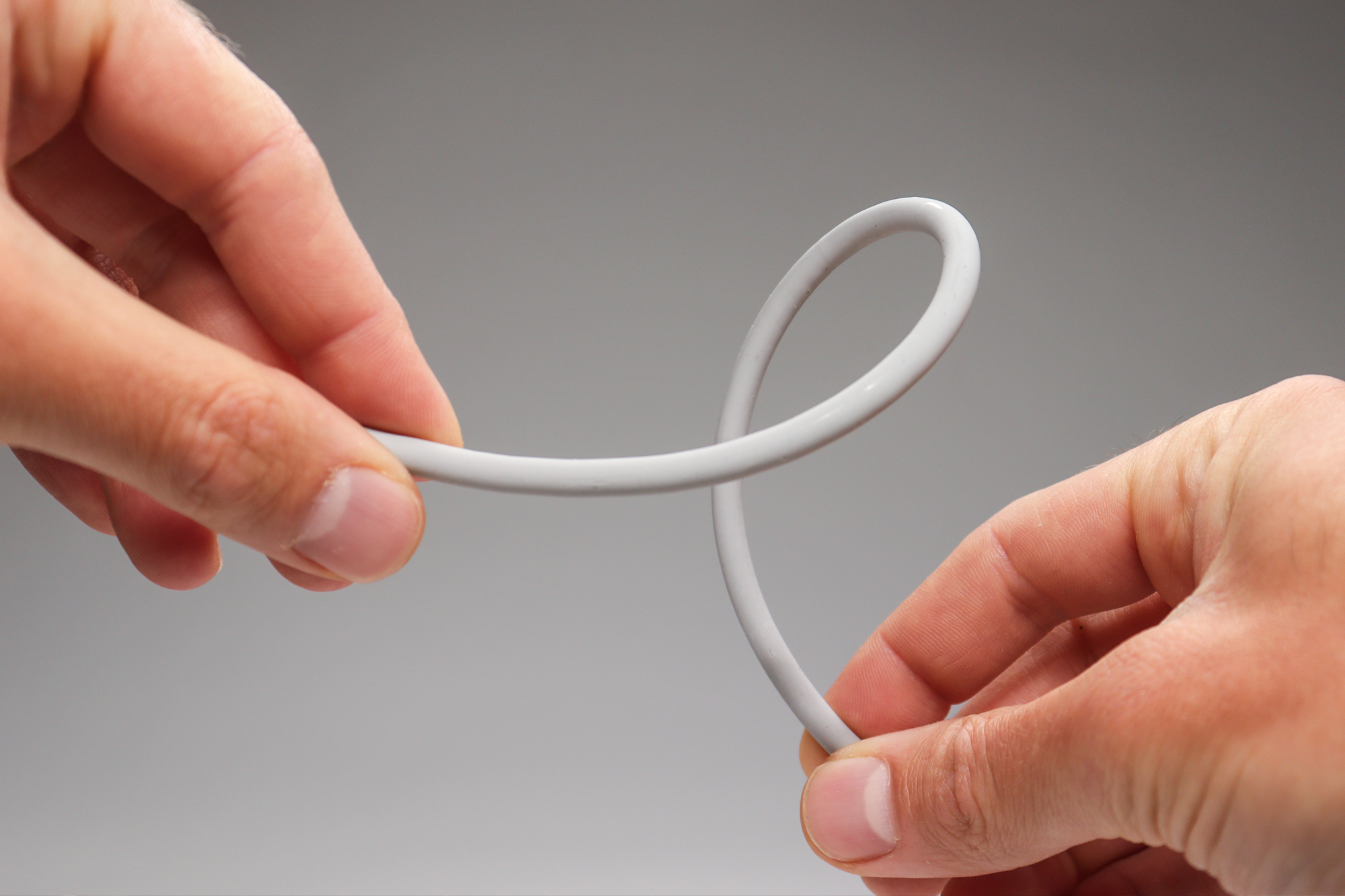
Performs like a traditional non-flexible polymer clay while you work, then bakes incredibly flexible, strong, and durable. Thin cured pieces can bend, twist, and even tie into a knot.†
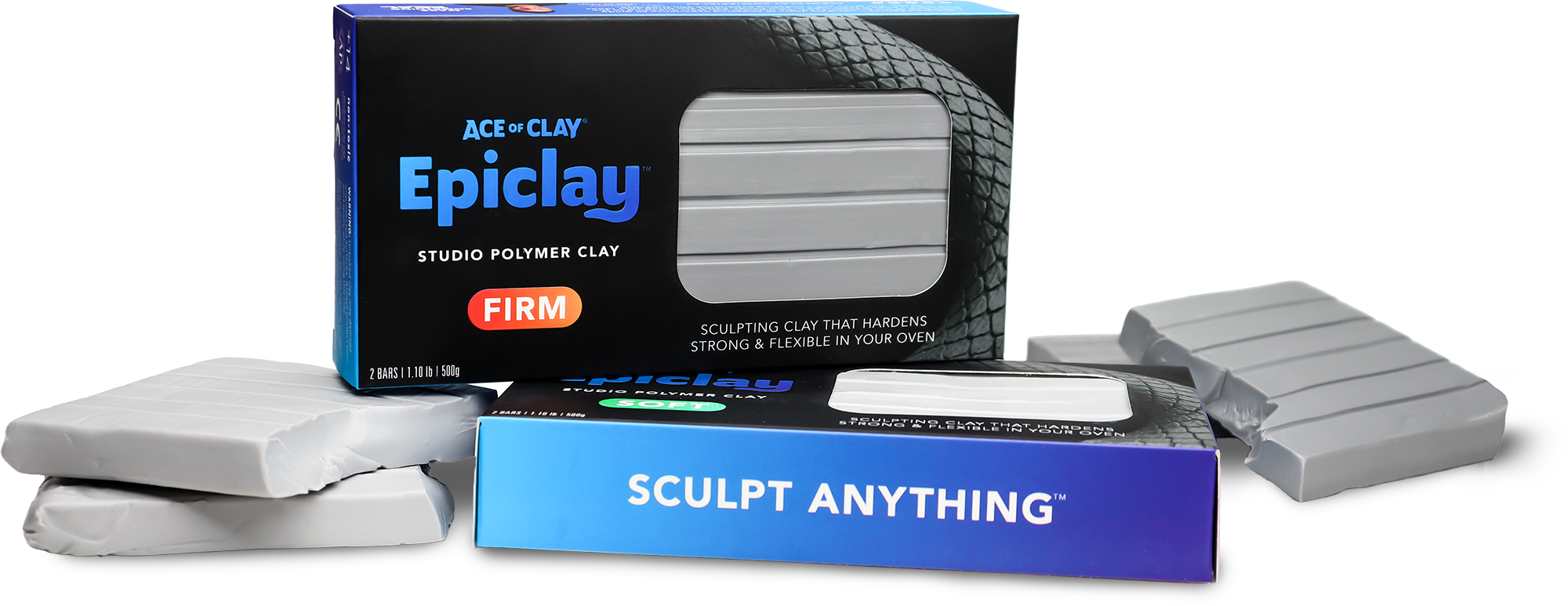
What is Epiclay™?
Ace of Clay® Epiclay™ is a versatile, professional-grade polymer clay made for sculptors, artists, and makers of all skill levels. It’s easy to shape, stays workable until baked, and cures in a standard kitchen oven. Once baked, Epiclay™ becomes firm, flexible, durable, and shatter-proof. It has a smooth, buttery feel, captures fine detail, and accepts acrylic paint and finishes beautifully.
How to Use Epiclay™
STEP 1: Knead the clay until it is pliable.
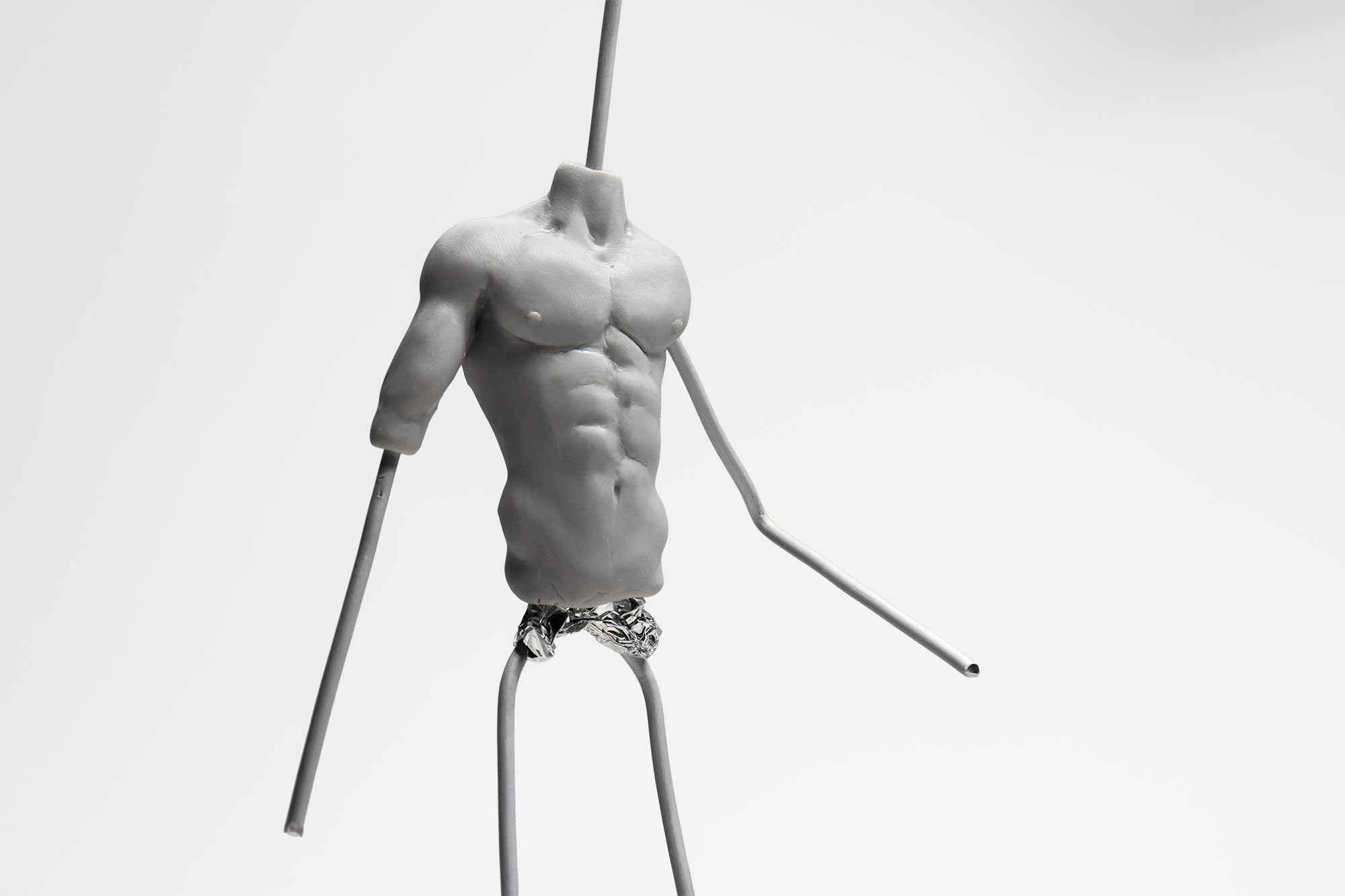
STEP 2: For large sculpts, start with an armature using metal wire and bulk out thick areas with aluminum foil. Apply clay and sculpt! Try not to exceed a clay thickness of 1/2in (1.27cm) to prevent underbaking.
STEP 3: Bake your sculpture in a preheated, standard kitchen oven or toaster oven at 275º F (135º C) for 20-30 minutes depending on clay thickness. Bake on the Ace of Clay® Pro Sculpting Mat, metal baking sheet, or oven-safe glass dish. DO NOT EXCEED REQUIRED BAKING TEMPERATURE OR USE A MICROWAVE.
PRO TIP: Clay can be baked multiple times. Bake your sculpture as you go (prebake) to preserve completed areas.
New to sculpting with polymer clay or want to improve your sculpting process? Check out my complete guide to sculpting with polymer clay.
Already sculpting? Here’s how to bake polymer clay properly for the best results.
Q&A: Everything You Need to Know about Epiclay™
Have questions? I’ve got answers.
Sculpting with Epiclay™
-
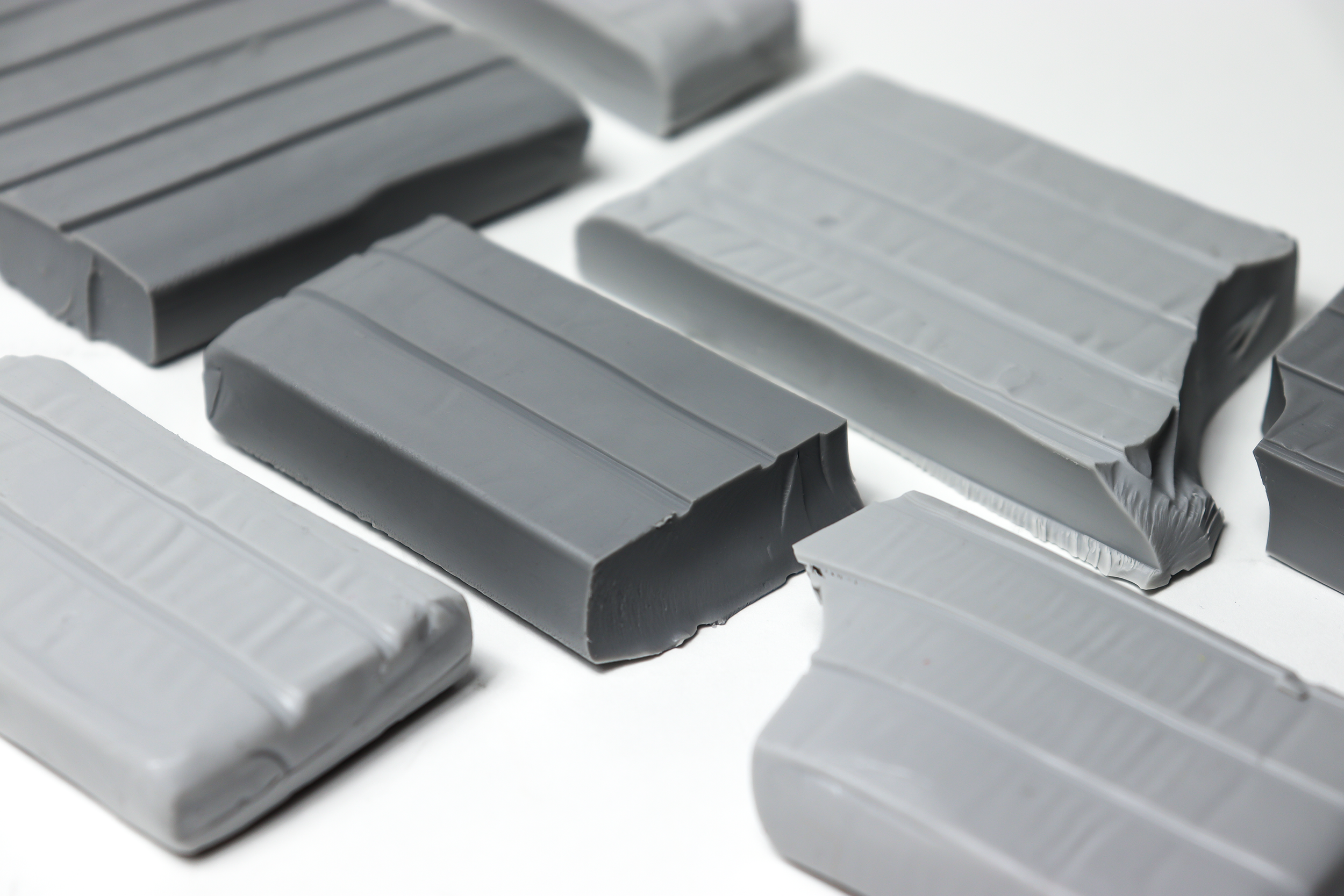
Epiclay™ is available in two firmnesses to suit different sculpting preferences. Soft has a smooth, buttery feel with excellent pliability, making it easy to condition and shape. Firm offers the same smoothness with added resistance for sculptors who prefer a firmer working clay. Both formulations are designed for easy conditioning, excellent detail retention, and low crumbling, with exceptional flexibility and durability after baking. The choice comes down to how you prefer your clay to feel while sculpting!
-
The best way I can describe the two formulations is that Epiclay™ Soft is definitely on the firmer end of the “soft” spectrum. Compared with many other polymer clays, I would personally place it closer to a medium-firm consistency. It’s smooth, pliable, and easy to condition, but it still has enough resistance to feel controlled while sculpting rather than overly soft or mushy.
Epiclay™ Firm, on the other hand, is truly firm. It takes more time and effort to condition because of its density and resistance, but once it’s fully conditioned, sculpting with it is incredibly smooth and controlled. It holds detail beautifully, resists fingerprints, and gives you that satisfying resistance that firm-clay sculptors tend to love. If you prefer a genuinely firm polymer clay, this formulation was made for you.
These are the first two Epiclay™ densities, and I’ll be using feedback from this initial launch to help determine which consistencies and densities I develop next.
-
Yes. Epiclay™ is designed to feel soft, smooth, and pliable right out of the package, but that doesn’t mean conditioning can be skipped. Like all polymer clays, the ingredients still need to be worked and evenly distributed before sculpting.
Because Epiclay™ starts out so smooth and pliable, it conditions faster and the whole process is a lot more enjoyable than starting with a hard brick of clay. Work it until it feels completely smooth and uniform, then keep conditioning until it reaches a point where it doesn’t seem to be getting any softer and you’re no longer noticing a change in the pliability. Basically, once it hits that standstill, you’re good.
Underconditioned clay can be more prone to cracking and may not reach its full flexibility after baking.
-
Yes. Like all polymer clays, Epiclay™ is sensitive to temperature! Whether your workspace is warm, cold, or comfortably room temperature, the consistency of your clay will respond accordingly.
Epiclay™ is designed to be smooth, pliable, and easy to condition right out of the package, but that doesn't mean it's immune to temperature changes. If you're sculpting in a chilly studio or have the AC blasting, your clay may feel firmer and require a little more conditioning than it would in a warmer environment. The temperature of your hands also makes a difference! Warm hands will naturally soften the clay as you work, while colder hands may make conditioning take a bit longer.
This is completely normal behavior for polymer clay and applies to all formulations, regardless of brand. Epiclay™ is formulated to maintain a smooth, workable consistency without becoming overly sticky as it warms up during sculpting.
-
Absolutely! Epiclay™ can be sanded after baking to smooth surfaces, refine details, and clean up imperfections. However, because Epiclay™ is designed to retain flexibility after baking, sanding thinner or more flexible areas can be a little tricky! Be gentle and make sure you're properly supporting any flexible pieces while sanding to avoid excessive bending, stress, or cracking. Take your time, especially when working with delicate details!
-
Yes. Epiclay™ can be cast and molded, and its flexibility after baking can actually make demolding easier than with rigid clays. This makes it well-suited for use with molds when creating repeated parts, detailed components, or copies of your sculpture.
-
That’s okay, I’ve got you there too! I have a library of over 360 full-length polymer clay tutorials available completely free, covering everything from beginner basics to full sculpture builds.
And whether you ever pick up a box of Epiclay™ or not, I’d still love to teach you how to sculpt!
-
Yes! Epiclay™ shares many of the same core ingredients as other traditional polymer clays, including a polyvinyl chloride (PVC) base. Because of this, accessory products designed for use with oven-bake polymer clay, such as liquid clays, polymer clay adhesives, clay softeners, and other conditioning or smoothing products, are generally compatible with Epiclay™.
However, please keep in mind that I have not personally tested every accessory product from every brand with Epiclay™. Formulations can vary between manufacturers, so while these products are generally compatible with PVC-based polymer clays, individual results may vary. I recommend testing any unfamiliar accessory product on a small piece of Epiclay™ before incorporating it into a larger project. Third-party accessory products should be used at your own discretion, and always according to their manufacturer's instructions.
For surface smoothing, isopropyl alcohol can be used to help remove fingerprints and minor imperfections. Use it sparingly and allow it to evaporate completely before baking. Cornstarch can also be used to help smooth the surface and prevent fingerprints. However, mineral spirits are NOT recommended for use with Epiclay™, as they may cause surface discoloration or scorching during baking.
An important distinction: Compatibility with polymer clay accessory products does NOT mean Epiclay™ is intended to be mixed with other brands of polymer clay. Mixing Epiclay™ with other clay formulations has not been tested and is not recommended. Epiclay™ was developed with a specific formulation to achieve its unique sculpting experience, workability, flexibility, and durability. Introducing another brand's clay into that formulation may alter these characteristics, and we cannot guarantee Epiclay™'s advertised performance when it has been mixed with another clay.
Baking & Curing Epiclay™
-
Preheat your oven to 275°F (135°C), then bake Epiclay™ for approximately 20–30 minutes depending on the size and thickness of your sculpture. For best results, place your piece near the center of the oven and away from heating elements or oven walls.
A separate oven thermometer is strongly recommended, even when using a conventional oven, since actual oven temperatures can vary from the setting on the dial. If you’re using a toaster oven, an oven thermometer is especially important, as toaster ovens are notorious for temperature fluctuations and inaccurate settings.
If needed, you can increase the baking time but never the temperature.
For full detailed polymer clay baking instructions, check out my “Baking Polymer Clay” guide.
-
Epiclay™ remains workable until you're ready to bake it, so there's no need to finish your sculpture in one sitting! Unlike air-dry clay, Epiclay™ does not cure simply from being exposed to air. You can take your time, work on a sculpture over multiple sessions, and bake it when you're ready.
For best results, keep unfinished projects away from excessive heat and direct sunlight. Store unused clay wrapped in its original packaging or in a polymer clay-safe container. If using a plastic container, look for recycling symbol #5 (PP, polypropylene), which is generally compatible with uncured polymer clay. Avoid storing uncured clay directly against unverified plastics, as the clay's plasticizers may react with certain materials over time.
-
Yes. When Epiclay™ is used and baked according to the instructions, it is safe to cure in a standard household oven that is also used for food preparation. Properly cured polymer clay does not release toxic fumes. You may notice a mild odor during baking, which is normal and not harmful under normal conditions.
We recommend baking in a well-ventilated area, such as with your oven’s range hood fan running. Always preheat your oven before baking and use a separate oven thermometer, as many ovens do not accurately reflect their true internal temperature. Exceeding the recommended temperature can cause scorching, odor, or smoke.
Epiclay™ should be baked at 275°F (135°C).
-
As long as Epiclay™ is baked at the required temperature of 275°F (135°C), your sculpture can be baked multiple times as your design requires. Repeated baking will not harm the clay when proper temperature and curing guidelines are followed. It is strongly encouraged to use a separate oven thermometer to ensure the right temperature is reached.
-
As with any polymer clay, if Epiclay™ is exposed to excessive heat because of an incorrect oven setting, temperature spike, or oven malfunction, it may scorch or burn. In that situation, the clay can give off a strong, unpleasant smell. If this happens, turn off the oven, open windows, and ventilate the room the same way you would after accidentally burning food.
Even if the clay does not appear burned, baking at the wrong temperature can still affect the final result. Temperatures that are too low or too high may leave the clay weak, underbaked, brittle, or otherwise performing differently than intended. Improper curing can also reduce its flexibility, so thin areas that should bend may instead crack or break when flexed.
Epiclay™ is designed to bake at 275°F (135°C) and should perform as intended when baked at that temperature under normal conditions.
For the most consistent results, place your sculpture near the center of the oven and keep it away from oven walls, heating elements, and other areas of concentrated heat. Because household ovens can run hotter or cooler than the temperature shown on the dial, using a separate oven thermometer is strongly recommended whenever baking polymer clay.
-
It depends on the thickness and shape of your sculpture. Thicker areas will naturally be more rigid, while thin sheets, small details, and narrow “snakes of clay” can be extremely flexible. Even over a bendable armature, a thick layer of clay will resist bending more than a thin one.
But here's the important part: more rigid doesn't mean more fragile! Even thicker areas retain a degree of rubber-like resilience after baking. Rather than behaving like a hard, brittle material, properly cured Epiclay™ has a slight give when pressure is applied and can return to its original shape. This resilience helps finished sculptures withstand accidental drops, bumps, and everyday handling without easily cracking or breaking.
That doesn't mean Epiclay™ can be folded, pinched, or bent completely in half without cracking. Forcing a sharp bend or crease into cured clay puts significant stress on that area, particularly in thicker sections. The way you sculpt a bendable area matters, too. If you sculpt something at a hard 90° angle and then try to straighten it completely, you're putting a lot of stress on that point and it may crack. There's still some physics involved... Epiclay™ isn't magic (unfortunately lol).
My number one goal when developing Epiclay™ was to create a polymer clay that feels incredible to sculpt with while producing flexible, durable finished sculptures. The flexibility was designed primarily to help sculptures resist accidental drops and breakage, make shipping safer, and give delicate details more forgiveness. It wasn't about creating a clay that could be bent completely flat without cracking.
It's best to sculpt with the final positioning in mind rather than planning to completely repose a finished piece afterward. Epiclay's flexibility allows for movement and impact resistance, but it isn't meant to turn a cured sculpture into an endlessly poseable toy.
Also, keep in mind that repositioning or bending previously baked areas before additional bakes may cause cracking. Any intended flexing or repositioning is best to save for after the final bake.
Painting & Finishing Your Sculptures
-
Yes. Epiclay™ was made to be painted! It is specifically formulated to work with acrylic paints, allowing your finished piece to be painted, detailed, and sealed while maintaining durability and flexibility after baking. For best results, apply paint to fully cured clay and allow it to dry completely before handling or sealing.
-
No. Epiclay™ does not require sealing. Whether you varnish or seal your sculpture after painting is entirely up to you and based on your personal preference, desired finish, and how the piece will be used or displayed.
-
Once fully baked, Epiclay™ itself requires very little maintenance. Ongoing care depends primarily on the type of paint, finish, or sealer you applied to the surface. Always follow the care instructions provided by the paint or coating manufacturer.
To keep your sculpture looking its best, avoid prolonged exposure to direct sunlight and high heat. Light dust can be removed with a soft, loose-bristle brush. If needed, the surface may be gently cleaned with mild soap and water, but do not submerge the piece or allow water to soak into seams or joints, as undried areas you can’t reach can grow mold.
Proper care of the painted surface will ensure your Epiclay™ sculpture stays looking great for years.
Safety & Materials
-
Yes. Epiclay™ is certified non-toxic and conforms to ASTM D-4236, the U.S. standard for evaluating and labeling art materials for chronic health hazards.
-
Epiclay™ is 100% vegan and does not contain any animal-derived ingredients or byproducts. It is not tested on animals. Woo!
-
No, Epiclay™ does not contain latex.
-
No, Epiclay™ does not contain sulfur.
-
No. Epiclay™ is not food safe, and neither is any polymer clay. While Epiclay™ is certified non-toxic for art use, polymer clay is not designed, tested, or approved for direct food contact. Once baked, polymer clay can still have microscopic pores and surface irregularities that may trap bacteria, making it unsuitable for use with food or beverages.
For this reason, Epiclay™ should not be used to create items intended for serving, storing, or consuming food or beverages.
-
While Epiclay™ is certified non-toxic and conforms to ASTM D-4236 when used as intended, it has not been tested or approved for use in aquariums, terrariums, or animal habitats. For this reason, its use in these environments is not recommended.
Storage & Work Surfaces
-
For best results, store Epiclay™ in a cool, dry place. Airtight containers are ideal for storage, provided they are made from polypropylene (recycling symbol #5), which is compatible with polymer clay. You may also wrap the clay back in its original packaging after use. Exposure to air will not cause Epiclay™ to cure or dry out.
Because Epiclay™ cures at relatively low temperatures, exposure to heat, direct sunlight, or hot environments can cause the clay to cure, just like when baked in an oven. Avoid storing near windows, heaters, or in vehicles. These storage guidelines apply whether the package has been opened or not.
-
Maybe. Like all polymer clays, uncured Epiclay™ contains plasticizers that can react with certain plastics, finishes, and porous surfaces if left in direct contact with them. Some plastics including polystyrene, PVC, acrylic, and other incompatible plastics, can soften or become damaged. Avoid leaving uncured clay directly on finished furniture or unknown plastic surfaces for extended periods. (I’ve “melted” a plastic lazy susan with it before lol).
For the safest setup, sculpt on a polymer clay-safe surface such as glass, ceramic, tile, metal, parchment paper, a wooden cutting board you don’t care about, or a dedicated Ace of Clay sculpting mat. Even a sheet of aluminum foil works fine.
Plastics marked with recycling symbol #5 (PP/polypropylene) are generally considered safe for contact with polymer clay.
Once the clay is baked you can put it wherever you want.
Availability
-
At launch, Epiclay™ is only available in the United States. Since this is the first release, I want to see how things go before expanding internationally. Packaging and labeling requirements vary by country, so I’m taking a little extra time to make sure everything is done correctly. More countries will be added as soon as possible after launch, with international availability expected to expand over the following months.
-
Epiclay™ is formulated, tested, and specified in the United States and manufactured by a specialized production facility in China. The factory produces the clay to my exact material and performance specifications.
Every batch of Epiclay™ is certified non-toxic and conforms to ASTM D-4236, the U.S. standard for evaluating and labeling art materials for chronic health hazards.
-
Right here! Epiclay™ is currently available exclusively at aceofclay.com. I plan to expand to additional online retailers soon, so availability will continue to grow after launch.
-
If your Epiclay™ arrives unusually hard, partially cured, crumbly, can’t seem to be completely conditioned, or otherwise doesn’t perform the way you expected, it may have been exposed to excessive heat during shipping.
I want to be very clear about what Epiclay™ should feel and perform like: it should perform exactly like the clay you saw me using in my launch and promotional videos. The clay I used in those videos came directly from the same customer inventory that was boxed and shipped out during the launch.
Polymer clay is sensitive to prolonged high temperatures, so when you’re expecting Epiclay™ in the mail, treat it a little like you’re having a pet fish delivered. I know that sounds dramatic, but I want your clay to be just as epic in your hands as it was when it left mine. Keep an eye on the tracking, bring it inside as soon as possible, and if you won’t be home, consider asking a neighbor, friend, or family member to grab it for you. Avoid letting the package sit in direct sunlight, a hot mailbox, vehicle, or other high-temperature environment.
Once a package leaves my hands, I unfortunately can’t control the temperatures or conditions it may experience in transit. That’s why I strongly recommend checking your clay as soon as it arrives.
If something seems wrong, please contact me at shop@aceofclay.com as soon as possible, ideally the same day or the following day. Any shipping-related damage or performance concerns must be reported within 14 days of delivery.
Please include your order number, a brief description of the issue, and clear photos of the clay and packaging. I may also ask for additional photos, video, or other details so I can better understand what happened.
For damaged-clay replacements, I may require the affected clay to be returned to me before a replacement is issued. Please do not discard, bake, alter, or intentionally damage the clay while your claim is being reviewed. This allows me to inspect the material myself and helps prevent issues caused after delivery from being mistaken for shipping damage.
Clay isn’t cheap. It’s an investment in your art and your creativity, and if your order genuinely arrives damaged, I want to make it right.
This policy is here as a precaution because polymer clay can be affected by extreme heat during transportation. It also helps me learn how Epiclay™ handles shipping to different parts of the country and continue improving the way I package and ship it. My goal is simple: the Epiclay™ that arrives at your door should be the exact same Epiclay™ you saw me sculpting with.
Additional questions? Email support@aceofclay.com and we will be happy to assist you Monday-Friday 9AM-6PM US ET.
Thanks for stopping by! I’m so excited!!
*More uncured stability refers to how Epiclay™ performed compared with other flexible polymer clays I personally tested. In my testing, a sculpture left unbaked for up to 7 days remained stable and could still have fresh clay added to it. However, like any polymer clay, Epiclay™ that sits exposed for days beyond this can begin to firm up or “settle” back toward its unconditioned state. Areas that were left rough or partially blended may become more delicate and can crack or crumble when disturbed later. For best results, finish and blend each section as you work rather than leaving unfinished areas for several days. Fresh clay can still be added to the sculpture later without issue.
†I pressed clay through an extruder using the plate with the smallest holes and then baked it and tied them all together into a knot successfully lol.